High Street St Mary Cray guide to rug cleaning and care
If you live, work, or simply spend a lot of time around High Street St Mary Cray, you already know rugs pick up more than dust. They catch the day-to-day stuff too: muddy shoes after a wet afternoon, pet hair, crumbs, drink spills, and the slow flattening that happens in busy rooms. This High Street St Mary Cray guide to rug cleaning and care is here to make things simpler. It explains how to keep rugs looking fresh, how different materials respond to cleaning, what to avoid, and when a professional clean is the sensible option. No fluff. Just the practical bits that help your rug last longer and look better.
Truth be told, rug care is one of those household jobs that looks easy until you try to do it badly. Then the stain spreads, the colours bleed, or the pile dries stiff and unhappy. A little know-how makes a big difference.
For readers who want a more service-focused overview as well, our rug cleaning service page explains the kinds of results people usually ask for, while broader fabric care is also covered across our upholstery cleaning and stain removal services.
Table of Contents
- Why rug cleaning and care matters
- How rug cleaning and care works
- Key benefits and practical advantages
- Who this is for and when it makes sense
- Step-by-step guidance
- Expert tips for better results
- Common mistakes to avoid
- Tools, resources and recommendations
- Law, compliance, standards, or best practice
- Options, methods, or comparison table
- Case study or real-world example
- Practical checklist
- Conclusion
- Frequently asked questions
Why High Street St Mary Cray guide to rug cleaning and care Matters
A rug is more than a floor covering. It is usually the piece that softens a room, absorbs echo, ties the furniture together, and quietly copes with far more abuse than people give it credit for. In a local area like St Mary Cray, where weather, footwear, and everyday foot traffic can change from one hour to the next, rugs can take on moisture, grit, and grime quickly. You may not notice it at first. Then one day the colours look dull, the edges curl, and the room smells a bit stale even after cleaning around it.
That is why rug care matters. Regular maintenance protects the fibres before dirt settles deep into the pile. It also helps prevent a small spill from becoming a permanent mark. More importantly, it preserves the texture and shape of the rug. A well-kept rug feels better underfoot and usually lasts much longer than one that is cleaned only when it looks visibly bad.
There is also a practical side. Good rug care can reduce allergens trapped in the pile, help pets and children live more comfortably, and keep a room looking collected rather than tired. Not glamorous, perhaps, but very real.
Expert summary: If you do one thing only, make it routine vacuuming, prompt stain treatment, and proper drying after any wet cleaning. That simple trio prevents a surprising amount of damage.
How High Street St Mary Cray guide to rug cleaning and care Works
Rug cleaning works by removing soil, oils, and residues without harming the fibres, dyes, or backing. The exact method depends on the rug type. A synthetic hallway rug, for example, can usually cope with more robust cleaning than a handwoven wool runner or a delicate natural-fibre piece. That difference matters. A lot.
In plain English, the process usually follows the same broad pattern:
- Inspect the rug. Check the fibre type, weave, backing, colourfastness, and any existing wear or damage.
- Remove dry soil first. Vacuuming or gentle beating lifts loose grit before any liquid is used.
- Treat spots carefully. Stains are addressed with the right solution, applied lightly and blotted, not scrubbed.
- Clean the fibres. Depending on the rug, this may involve low-moisture cleaning, hand washing, or controlled hot-water extraction.
- Rinse or remove residue. Leftover detergent can attract dirt if not properly cleared.
- Dry thoroughly. Drying is not optional. Damp fibres can smell musty, distort, or even support mould growth.
- Finish and groom. The pile is reset, fringes are tidied, and the rug is checked for any missed marks or colour change.
If you are wondering why cleaning methods vary so much, it is because rugs are not all made the same. Wool behaves differently from polypropylene. Silk is far more delicate than a washable flatweave. And vintage rugs? They are their own little world. Beautiful, but fussy. A bit like a relative who insists on being sat away from the window.
Key Benefits and Practical Advantages
Good rug cleaning and care deliver more than a prettier room. The benefits show up in everyday use, and often sooner than people expect.
- Longer lifespan: Dirt particles act like sandpaper. Removing them regularly reduces fibre wear.
- Better appearance: Colours stay clearer and the pile keeps its shape for longer.
- Improved hygiene: Dust, pet dander, food residue, and spores do not linger as easily.
- Less odour: Smells from spills, pets, or damp are tackled before they settle in.
- Safer floors: Proper cleaning and drying reduce slip risks from damp patches or curling edges.
- More comfortable living space: A clean rug just feels calmer underfoot. You notice it when you walk in, especially on a grey winter evening.
For households with pets, rug care can also reduce the background smell that creeps up on people over time. For commercial spaces, the benefit is even more obvious: a well-kept rug or entrance mat helps make a much better first impression. If your space needs broader fabric maintenance, it may also be worth looking at carpet cleaning or commercial carpet cleaning where relevant.
Who This Is For and When It Makes Sense
This guide is useful for almost anyone with a rug, but some people will feel the benefit more sharply than others.
- Busy families: Spills happen. So do muddy footprints and sticky fingers.
- Pet owners: Hair, dander, accidents, and odours need a steady routine.
- Renters and homeowners: A rug can hide underlying issues for a while, then suddenly not. Better to stay ahead of it.
- People with wool, oriental, or handmade rugs: These usually need more careful handling and less guesswork.
- Small businesses: Reception areas, waiting rooms, and offices often use rugs to soften the space and reduce noise.
- Anyone preparing for guests, photos, or a property viewing: A clean rug can quietly lift the whole room.
It makes sense to clean a rug when it starts to look tired, smell musty, or feel rough rather than soft. But you do not have to wait until it looks bad. In fact, that is usually too late. Regular upkeep is easier, cheaper, and far less stressful.
Step-by-Step Guidance
Below is a practical routine you can follow at home. Nothing too fancy, just sensible maintenance that works in real life.
1. Identify the rug before you clean it
Check the label if there is one. If not, look at the weave, backing, and fibre. Wool, cotton, jute, silk, viscose, and synthetics each behave differently. If you are unsure, assume the rug is more delicate than you first thought. That cautious approach saves a lot of regret.
2. Vacuum gently and regularly
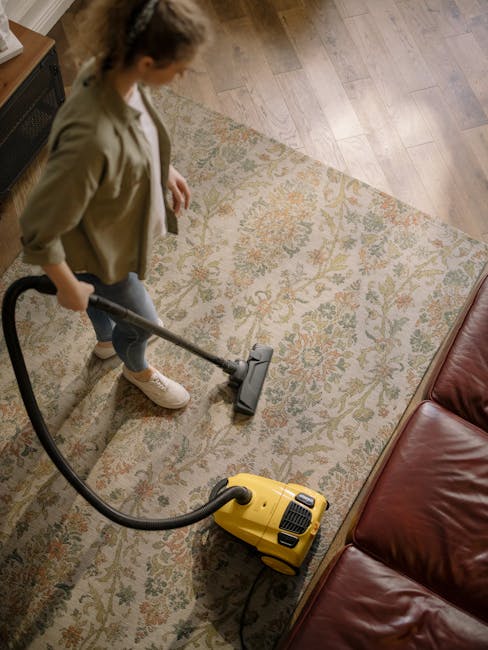
Use a vacuum with suction suitable for the pile. For looped or fringed rugs, be careful with the edges and any loose threads. Turn the rug occasionally so wear is spread out more evenly. If the rug is reversible, vacuum both sides now and again.
3. Treat spills immediately
Blot, do not rub. Use a white cloth or plain paper towel and work from the outside of the spill inward to avoid spreading it. Add a small amount of water or a suitable cleaning solution if needed, but never drench the area. More liquid is not better. Not even close.
4. Spot-test cleaning products
Before applying anything to the visible area, test it on an unseen corner. Leave it to dry fully. If the colour runs, the fibre changes texture, or the backing reacts, stop there. This is especially important for dyed wool and older pieces.
5. Deep clean carefully
Use the method appropriate for the rug. Many modern rugs can handle controlled wet cleaning, but some natural fibres and antiques are better handled with low-moisture methods or specialist care. If the rug has heavy soiling or old stains, a professional clean is often the cleaner choice, literally and practically.
6. Dry thoroughly
Make sure air can circulate around the rug. Open windows if the weather allows, use fans if appropriate, and avoid putting heavy furniture back too soon. A rug that feels only slightly damp can still take hours longer to dry in the backing than the surface suggests.
7. Finish with care
Once dry, brush or groom the pile lightly if suitable for the fibre. Check the edges, fringe, and underside. Then place the rug back only when you are sure it is fully dry and flat.
Expert Tips for Better Results
These are the little things that often make the biggest difference. You do not always need a more powerful cleaner. Sometimes you just need better timing and a steadier hand.
- Vacuum before a spill sets: Loose dirt makes stains worse because it mixes into the liquid.
- Use less product than you think: Cleaning solution build-up can leave a sticky residue.
- Rotate rugs seasonally: Light and traffic hit one side of the room more than the other.
- Lift, don't drag: Dragging can stress backing and fray the corners.
- Protect from direct sun: Fading sneaks up gradually, then all at once it seems.
- Deal with odours at the source: Masking a smell with fragrance just hides the problem for a while.
A useful rule of thumb: if you are hesitating about a cleaning product, that hesitation is probably worth listening to. Better to pause than to force the issue and create a permanent mark.
For tough spills or pet-related accidents, a specialist approach can be helpful. Our pet stain and odour removal page covers the type of treatment that may be needed when a normal blot-and-dab routine is not enough.
Common Mistakes to Avoid
Most rug damage from cleaning happens because someone is trying to be helpful in a hurry. Fair enough. But a few habits are especially risky.
- Scrubbing hard: This can distort fibres and spread stains.
- Soaking the rug: Excess water can damage backing, adhesives, and underlay.
- Using the wrong cleaner: Bleach, strong alkalines, and harsh solvents can ruin colour or texture.
- Skipping the dry phase: Damp that lingers too long leads to odour and mould risk.
- Cleaning only the visible spot: It can leave a ring or colour mismatch around the area.
- Ignoring the underside: Dirt and damage often build up there without being noticed.
- Putting furniture back too soon: That can imprint the pile or trap moisture.
One common one, and people do it all the time, is assuming a stain has "gone" because it looks better while damp. Then it dries and reappears. It is a bit annoying, but very normal. The fibres often hide residue until the water evaporates.
Tools, Resources and Recommendations
You do not need a cupboard full of specialist kit to care for a rug properly. A small, sensible set of tools will cover most situations.
- Vacuum cleaner: Adjustable suction is ideal for delicate pile and fringes.
- Soft brush: Useful for loosening dust from denser weaves.
- White microfibre cloths: Better than coloured cloths, which can transfer dye.
- Clean towels: Handy for blotting spills and absorbing moisture.
- Mild detergent or fibre-safe cleaner: Use sparingly and only when appropriate.
- Fan or good air flow: Helpful for drying after spot cleaning or a deeper wash.
- Gloves: Worth using if you are handling strong cleaning agents, even mild ones can dry your skin out.
If you are planning to compare professional options, our pricing and quotes information is a useful starting point. It helps set expectations before anyone gets started, which is always easier than guessing later. You can also review our insurance and safety information if you want reassurance around site visits and service standards.
A small practical recommendation: keep a simple "rug care kit" in a cupboard with cloths, a gentle cleaner, and a clean towel. If a spill happens during dinner, you will not be rummaging about in a panic while the stain gets comfortable.
Law, Compliance, Standards, or Best Practice
Rug cleaning is not heavily regulated in the same way as some trades, but there are still sensible standards and duties to consider. In the UK, businesses and householders alike should use cleaning methods that are safe for the material, safe for the people nearby, and appropriate for the environment in which the rug is used.
For business settings, especially customer-facing or shared premises, good practice includes proper risk awareness, clear handling of wet floors, and attention to ventilation while cleaning and drying. That is where a sensible health and safety policy becomes relevant. If the rug belongs to a landlord, tenant, office manager, or facilities team, check any local site rules before using water or stronger products.
On the material side, the main best practice is simple: follow fibre-appropriate methods, respect colourfastness, and avoid guesswork on valuable or handmade rugs. If you are not sure whether a rug can cope with wet cleaning, assume it needs a more cautious approach. It is easier to clean again than to undo shrinkage, dye bleed, or backing damage. Not fun, but true.
Responsible disposal also matters when a rug has reached the end of its life. Reuse, repair, or recycling may be better than simply binning it. If sustainability is important to you, our recycling and sustainability information may be useful as part of your decision-making.
Options, Methods, or Comparison Table
Different rug cleaning methods suit different situations. Here is a straightforward comparison to help you judge what is likely to work best.
| Method | Best for | Advantages | Watch-outs |
|---|---|---|---|
| Regular vacuuming | All rugs | Removes loose dirt, reduces wear, easy to maintain | Does not remove deep staining on its own |
| Spot cleaning | Fresh spills and isolated marks | Fast, targeted, low-cost | Can spread stains or leave rings if rushed |
| Hand washing / controlled wet cleaning | Many washable rugs, some synthetics and cottons | Effective on general soil and light odours | Needs careful drying; not ideal for all fibres |
| Low-moisture cleaning | Delicate or moisture-sensitive rugs | Less saturation, lower drying time | May not lift heavy contamination alone |
| Professional specialist cleaning | Wool, antique, valuable, or heavily soiled rugs | More tailored, safer for tricky materials | Usually costs more than DIY care |
If you are deciding between DIY and professional help, ask yourself three questions: What is the rug made of? How valuable is it? And how much damage could I do if I get it wrong? That last one tends to sharpen the mind.
Case Study or Real-World Example
A local family on a busy residential road near High Street St Mary Cray had a medium-sized rug in the living room that had started to look flat and patchy. It was not a dramatic disaster. Just the sort of thing that creeps up. Tea marks near the sofa, a faint dog smell after wet-weather walks, and a traffic lane where everyone seemed to step on the same section.
They tried vacuuming more often, which helped a little, but the marks kept coming back. The rug also dried unevenly after a home spot-clean, leaving a slightly darker patch. Instead of doing more of the same, they stepped back and checked the fibre type and construction. That was the turning point. Once they matched the cleaning method to the material, the rug improved noticeably and the odour issue eased. The colour came back too, not like new-new, but enough that the whole room felt tidier.
The real lesson was simple: the problem was not "a dirty rug" in the abstract. It was a combination of soil type, moisture handling, and a couple of small habits that had added up over time. Most rug problems are like that, honestly. A few little things, not one huge thing.
Practical Checklist
Use this quick checklist before, during, or after rug cleaning.
- Identify the fibre and construction if possible
- Vacuum thoroughly before using any liquid cleaner
- Test cleaners on a hidden area first
- Blot stains instead of rubbing them
- Use as little moisture as practical
- Ventilate the space while drying
- Do not replace furniture until the rug is fully dry
- Check for colour transfer, shrinkage, or texture changes
- Rotate the rug from time to time to balance wear
- Seek help for antiques, delicate fibres, or stubborn odours
Quick takeaway: Care early, clean gently, dry properly. That is the rhythm that usually keeps a rug in good shape.
Conclusion
Rug cleaning does not need to be complicated, but it does need to be thoughtful. Once you know the fibre type, understand how moisture behaves, and build a small routine around vacuuming and spill response, the whole job becomes much easier. Your rug will look better, last longer, and feel more at home in the room rather than like an afterthought.
For everyday care, consistency matters more than perfection. A quick tidy-up today often saves a bigger repair tomorrow. And if the rug is valuable, delicate, or simply beyond basic home treatment, professional guidance is often the safer route. No drama. Just the sensible choice.
Get a free quote today and see how much you can save.
Whether your rug is a hallway workhorse or a favourite piece in the lounge, a little attention now can keep it looking welcoming for years. That is a decent return for a few careful minutes, really.
Frequently Asked Questions
How often should I clean my rug?
For most rugs, regular vacuuming is the main routine and should happen weekly, or more often in busy homes. Deep cleaning depends on use, fibre type, and whether the rug picks up spills, pet hair, or outdoor dirt. A light clean now and then is better than waiting for the rug to look obviously tired.
Can I use a carpet cleaner on a rug?
Sometimes, yes, but not always. Some rugs can handle controlled wet cleaning, while others are too delicate or moisture-sensitive. Always check the fibre and backing first. If in doubt, start with a gentler method and avoid soaking the rug.
What is the safest way to remove a fresh stain?
Blot it immediately with a clean white cloth, working from the outside in. Use only a little water or a suitable cleaner, and test first on a hidden area if possible. Scrubbing usually makes things worse, which is annoying but common.
Why does my rug smell after cleaning?
That usually happens when moisture stays trapped in the pile or backing, or when an old spill was not fully removed. Drying thoroughly is essential. If the smell lingers, the issue may be deeper than the surface fibres.
How do I know if my rug is wool, synthetic, or natural fibre?
Check the label if there is one. If not, look at the texture, weave, and backing. Wool often feels softer and more resilient, synthetics are usually more uniform, and natural fibres such as jute or sisal have a rougher feel. If you are not sure, treat it cautiously.
Is steam cleaning safe for rugs?
It can be suitable for some rugs, but not for all. "Steam" in everyday conversation often means hot-water extraction or another wet cleaning method, and the real question is whether the rug can tolerate moisture and heat. Delicate rugs need more careful treatment.
How can I stop rug edges from curling?
Keep the rug flat, rotate it occasionally, and avoid exposing it to damp or direct heat. Curling can happen from storage, moisture, or wear. In some cases, it is a construction issue rather than a cleaning problem, so the fix may be gentler handling rather than more cleaning.
What should I do with pet accidents on a rug?
Act quickly, blot thoroughly, and use a cleaner suitable for both stain and odour removal. Pet accidents often soak deeper than they appear at first, so surface cleaning alone may not be enough. If the smell keeps returning, a deeper treatment is usually needed.
Can I clean a vintage or handmade rug at home?
You can maintain it carefully with vacuuming and light spot treatment, but deep cleaning a vintage or handmade rug at home is risky. Colour bleed, shrinkage, and fibre damage are all possible. For anything valuable or sentimental, caution is the best policy.
How do I protect a rug from wear in a busy room?
Rotate it regularly, vacuum it often, and use a rug pad if appropriate for the floor and rug type. That helps reduce sliding, friction, and uneven wear. A small change in routine can make a very visible difference over time.
What is the difference between rug cleaning and carpet cleaning?
Rug cleaning is more about handling a removable item with specific fibres, backings, and sometimes fringes or decorative details. Carpet cleaning usually concerns fixed floor coverings. The techniques can overlap, but rugs often need more individual judgement.
When should I call a professional?
If the rug is expensive, delicate, antique, heavily stained, or affected by odour that will not shift, professional help is usually the wiser choice. It is also sensible if the rug has already reacted badly to a home cleaning attempt. Better to stop early than to keep pushing and make it worse.